16 June, 2026
Workshop series in Engineering Education
Registration: https://forms.ua.pt/index.php?r=survey/index&sid=674685&lang=en
11:00 – 12:30 “I am more than the sum of the parts!” – Assessment as a driver for student learning and development
Aida Guerra (Aalborg University, Denmark)
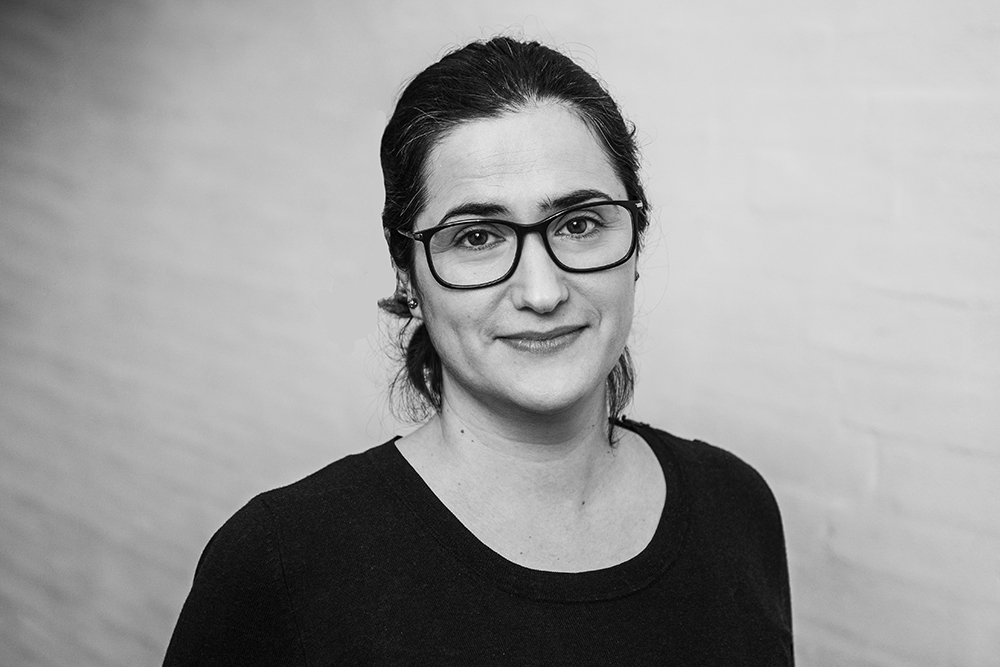
Assessment can be understood as the act of making informed judgments—something we engage in constantly in our everyday lives. Yet, in formal education, assessment is often perceived as a necessary evil, primarily used to measure and confirm knowledge. What if we instead reimagined assessment as a central tool for supporting student growth, development, and thriving?
In this workshop, we will explore how assessment practices in engineering education can move beyond knowledge verification toward fostering learning, agency, and development. We will examine both current and emerging approaches, focusing on how practices such as formative feedback, peer dialogue, and authentic assessment tasks can support students’ ability to reflect, self-regulate, and take ownership of their learning.
By the end of the workshop, participants will have critically mapped their current assessment practices and identified concrete opportunities to redesign them in ways that better support student growth, agency, and thriving.
12:30 – 14:00 Break (Free time. Lunch not provided)
14:00 – 15:30 Universal Design for Learning
Matheus de Andrade & Kathleen Tripp (University College London, United Kingdom)
15:45 – 17:15 A beginner’s guide to engineering education research
Shannon Chance & Kaitlyn Thomas (TU Dublin, Ireland)
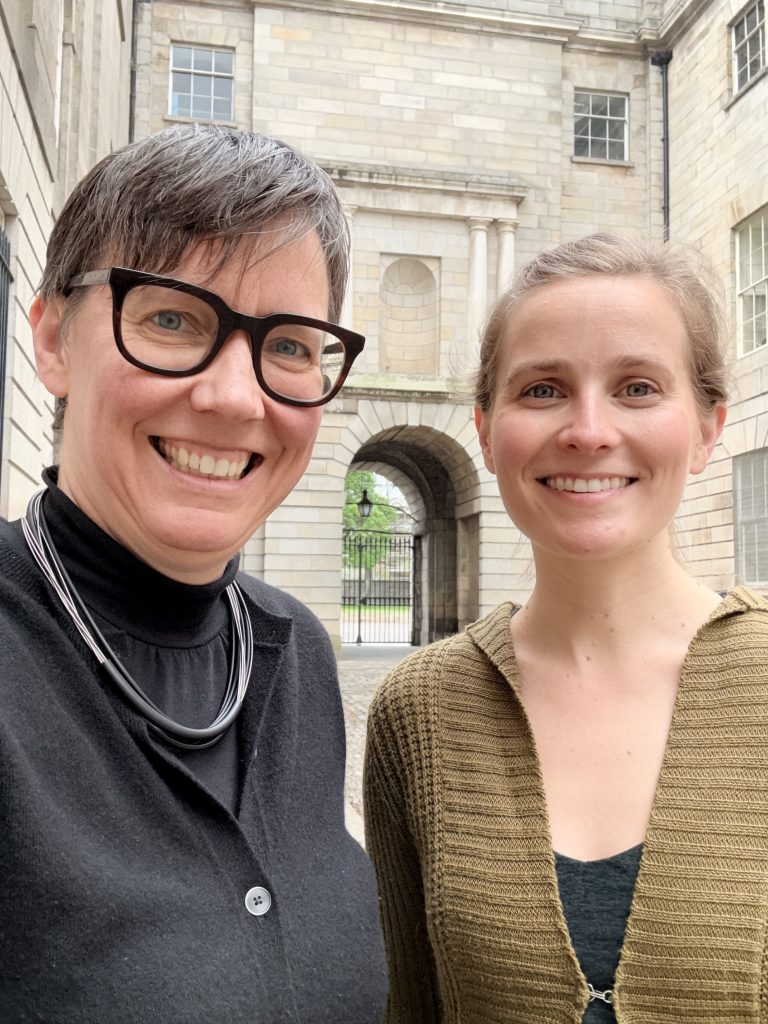
This 90-minute hands-on workshop introduces academics from technical disciplines to the field of engineering education research. Facilitators will outline key differences between technical and social/educational sciences, present a simple step-by-step approach to planning an educational research study, and guide participants through exercises to analyse an existing study and begin designing their own.
Together, we will explore how to identify a research problem, frame it as a research question, and align it with appropriate objectives and methods. The workshop touches on a range of social science methodologies and the ethics considerations that underpin rigorous research — but the majority of our time will be spent working in pairs, applying theory to practice through structured analysis and research design activities.
No prior experience in social or educational research is required. You’ll leave with a handout outlining the approach and your preliminary research design, to guide subsequent development.